
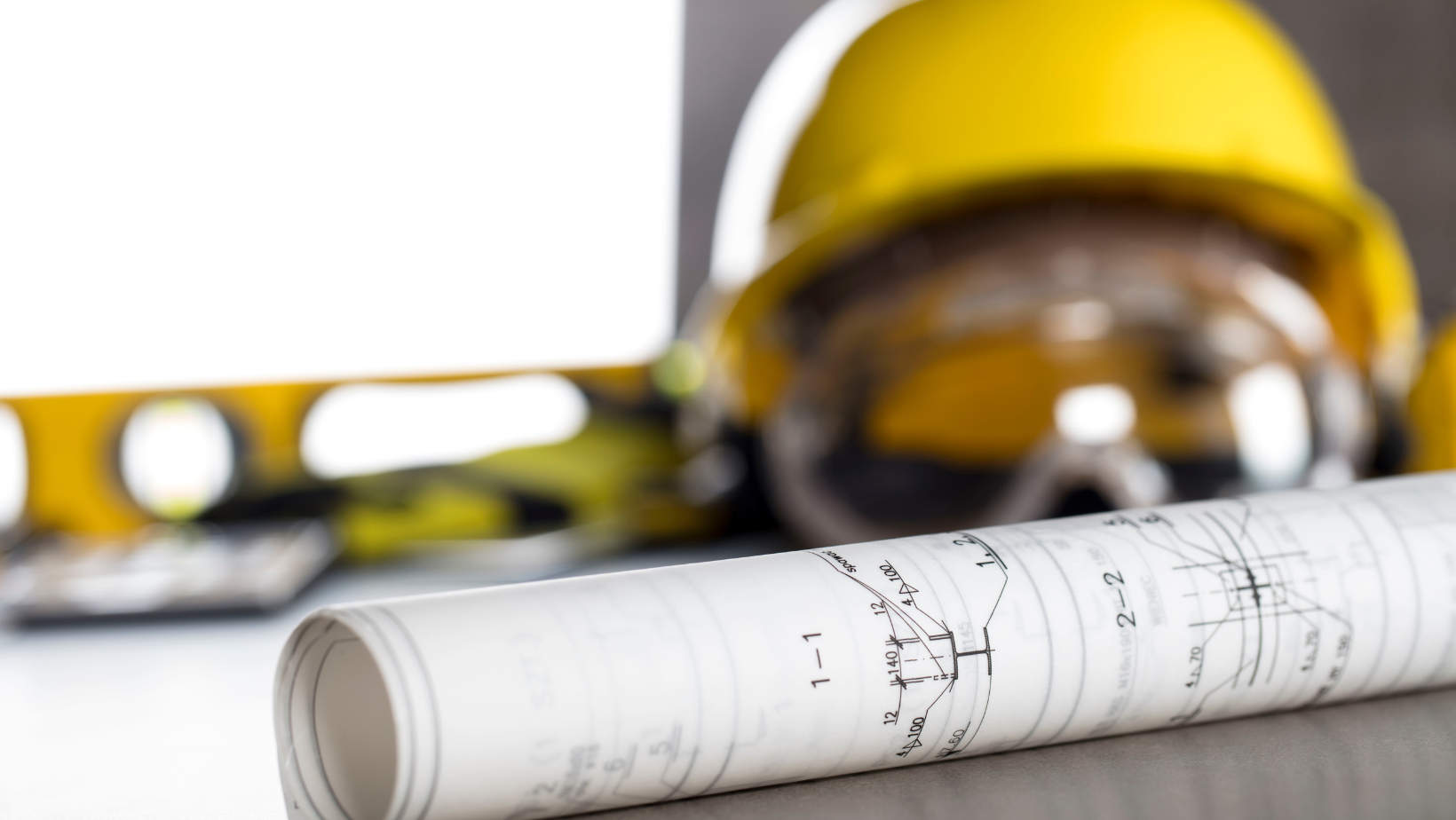
When planning a new build, extension or renovation, you may hear the terms “builder” and “contractor” used interchangeably. While their roles can overlap, they do not always mean exactly the same thing.
Understanding the difference can help you choose the right professional for your project and know what level of service to expect.
What Does a Builder Do?
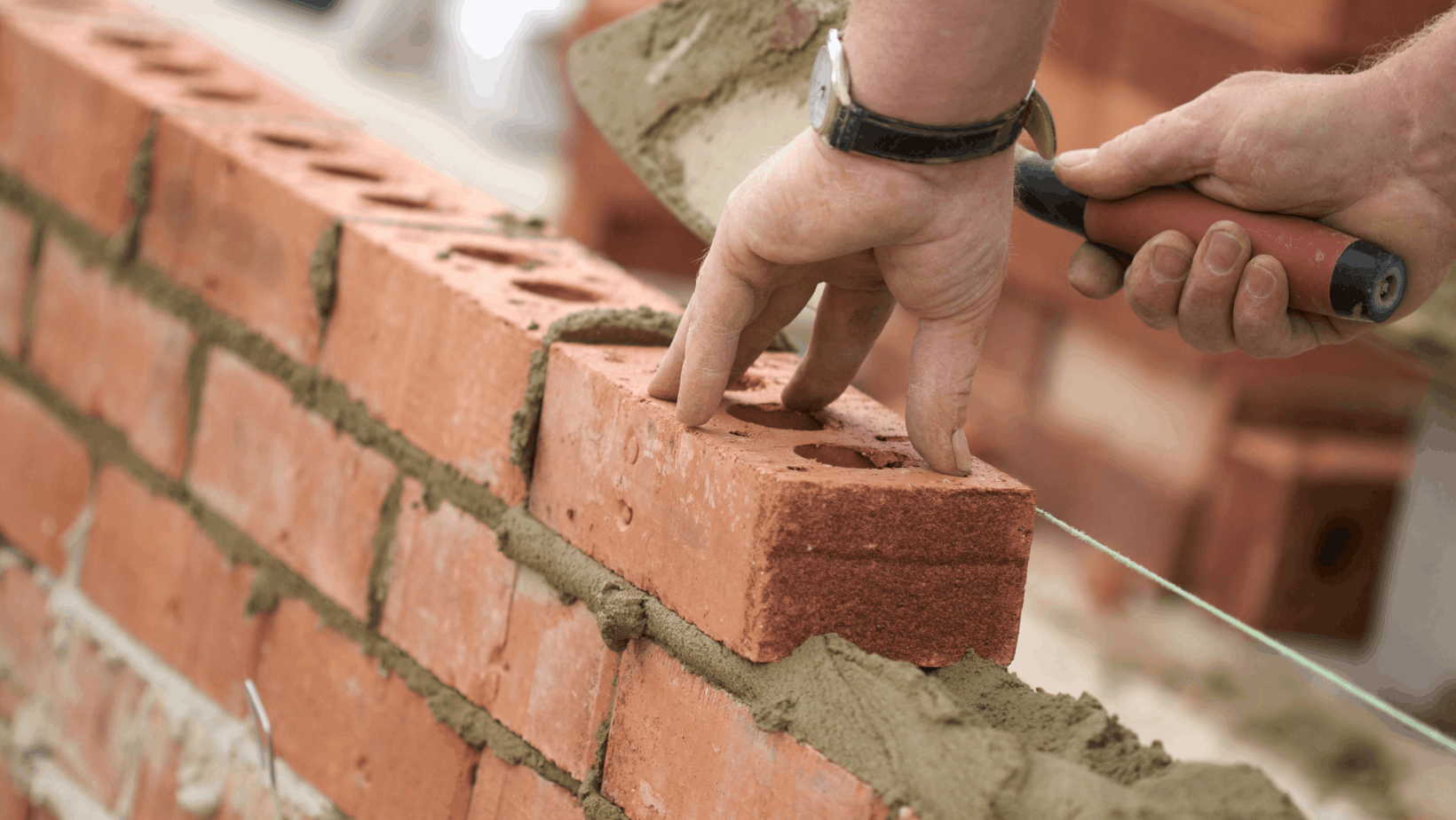
A builder is typically involved in the practical construction work carried out on site. Depending on their experience and the size of the company, a builder may complete several different parts of a project or specialise in a particular area.
Their work may include:
- Brickwork and blockwork
- Foundations and structural work
- Extensions and renovations
- Roofing and joinery
- Installing kitchens and bathrooms
- General repairs and improvements
- Finishing work
Builders may work independently or as part of a larger construction team. For smaller projects, such as home improvements or straightforward renovations, a builder may be able to oversee and complete most of the work required.
However, for more complex projects involving multiple trades, detailed schedules and building regulations, a contractor will often take on the wider responsibility of managing the complete build.
What Does a Building Contractor Do?
A building contractor is responsible for overseeing and coordinating the construction project as a whole.
Although contractors may also be experienced builders, their role generally extends beyond the physical work taking place on site. They manage the people, materials, schedules and different stages needed to bring the project together.
A building contractor may be responsible for:
- Reviewing plans and project requirements
- Preparing quotations and budgets
- Organising materials and deliveries
- Coordinating subcontractors and specialist trades
- Managing the construction schedule
- Monitoring workmanship and progress
- Communicating with the client throughout the project
- Helping to ensure work meets the relevant regulations and standards
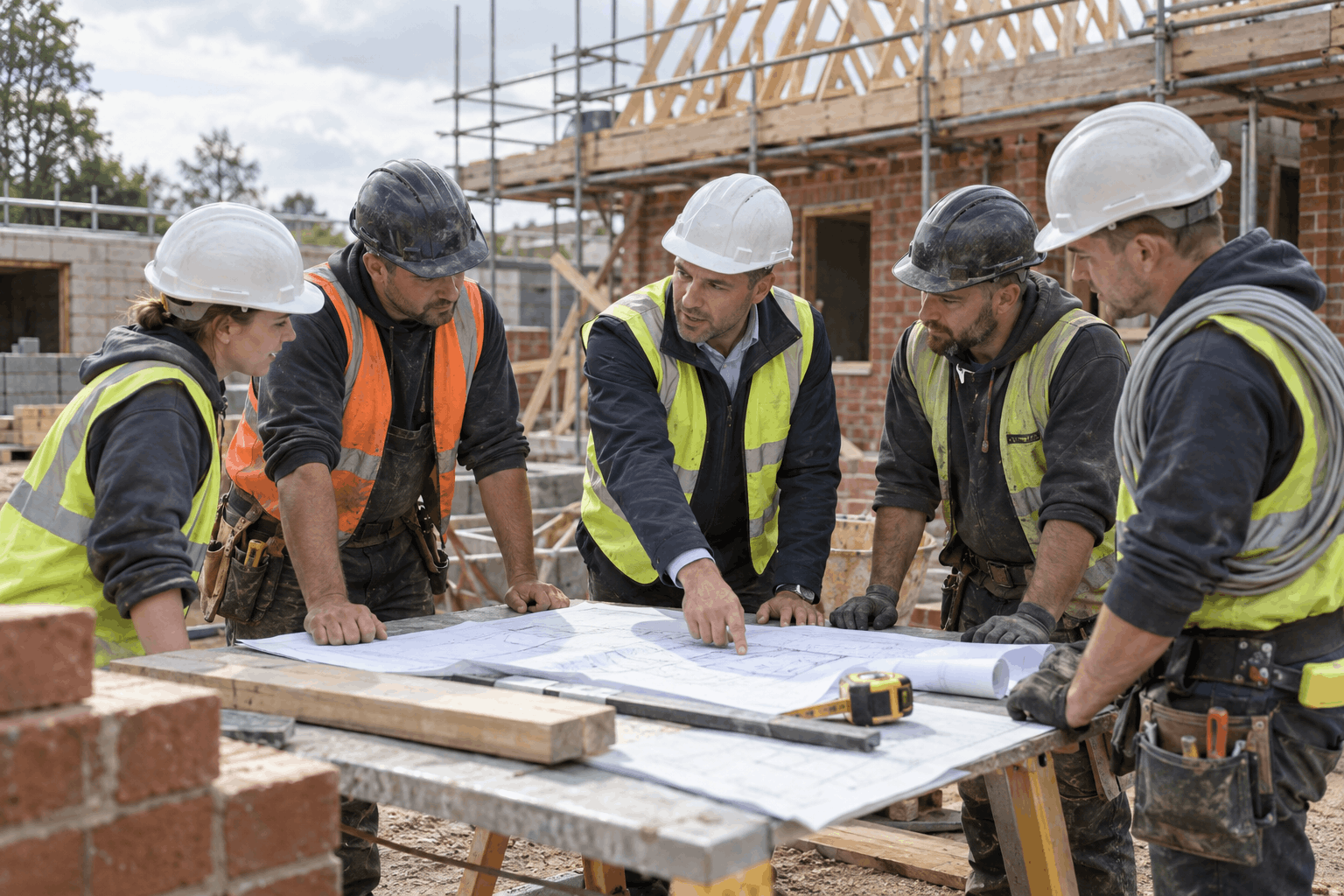
For example, an extension may require bricklayers, electricians, plumbers, joiners, plasterers and decorators. Rather than the homeowner arranging each trade separately, a main contractor can coordinate the complete team and make sure each stage is completed in the correct order.
The Main Difference Between a Builder and a Contractor
The simplest way to understand the difference is that a builder is usually focused on carrying out construction work, while a contractor is responsible for managing the wider project.
A builder may be one of several tradespeople working on the property. The contractor oversees those tradespeople and acts as the main point of contact for the client.
In practice, many established building companies provide both services. They have the skills and experience to complete the construction work while also managing subcontractors, materials, timelines and communication.
Do I Need a Builder or a Contractor?
The right choice will depend on the type and scale of your project.
A builder may be suitable for:
- Smaller repairs
- Individual building tasks
- Minor home improvements
- Straightforward renovation work
A building contractor is often the better choice for:
- New-build homes
- House extensions
- Full property renovations
- Structural alterations
- Commercial construction projects
- Projects involving several different trades
If your project has multiple stages or requires several specialist trades, choosing a contractor can make the process much easier to manage. You have one main contact overseeing the work rather than having to coordinate every person involved yourself.
What Should You Look for When Choosing a Building Contractor?
Whether you are planning a new build, extension or renovation, it is important to choose a contractor you can trust.
Before making your decision, consider:
Relevant experience
Look for a contractor with experience in projects similar to your own. A company that regularly manages extensions or full property renovations will understand the planning, coordination and practical challenges involved.
Clear quotations
A detailed quotation should explain what is included in the price and help reduce the likelihood of unexpected costs later in the project.
Communication
Good communication is essential throughout any building project. Your contractor should be approachable, keep you informed and explain any decisions or changes clearly.
Quality of workmanship
Ask to view examples of previous work. This will give you a better idea of the contractor’s standards, attention to detail and the types of projects they regularly complete.
Project management
Find out who will oversee the work, coordinate the different trades and keep the project progressing. Clear responsibility from the beginning can help the construction process run more smoothly.
Work With North Building Contractors
At North Building Contractors, we understand that a successful construction project involves much more than the work completed on site. It requires careful planning, reliable communication, skilled trades and close attention to detail at every stage.
Whether you are considering a new build, extension or property renovation, our team can help manage the process and deliver a high-quality finish that reflects your plans.
Get in touch with North Building Contractors to discuss your upcoming project and find out how we can help bring your ideas together.